Independent Salon or Larger Beauty Business: Which Suits You?
When you look for a place to have a facial, a body massage, or a skin consultation, you quickly notice that UK beauty salons come in many shapes and sizes. At one end of the spectrum are the independent salons run by one or two people. At the other end are larger beauty businesses with multiple therapists, treatment rooms, and a more corporate structure. Each has its own feel, strengths, and limitations. Choosing between them depends on what matters most to you as a client.
What Defines an Independent Salon
An independent salon is usually owned and operated by the person who performs most of the treatments. The space might be small, perhaps a single room or a converted part of a house. The atmosphere tends to be quiet and personal. The therapist knows your name, your skin type, and your preferences without needing to check a file. Appointments can be more flexible, especially if you are a regular. The owner often handles everything from booking to cleaning to product ordering, so the experience can feel more handcrafted.
Because the business is small, the therapist may have trained in one or two specific areas and built deep expertise there. You might find a specialist in lymphatic drainage massage or a salon that only does advanced facials. There is less pressure to offer every possible treatment, so the focus stays on what the owner does best. Hygiene standards are usually high because the same person cleans every surface and knows exactly what products have touched each client.
What Defines a Larger Beauty Business
A larger beauty business typically has a reception area, several treatment rooms, and a team of therapists working on rotation. The environment can feel more professional in a different way: there is a clear front desk, a booking system, and often a retail area selling skincare products. These businesses can offer a wider menu because they have multiple staff members with different specialisms. You might book a body massage with one therapist and a facial with another, all under the same roof.
Because there is a team, appointment availability is often better. You can usually find a slot within a day or two, even at short notice. Larger businesses also tend to have more consistent opening hours, including evenings and weekends. Their treatment pricing might be higher in some cases, but they can also offer packages or membership schemes that bring the cost down over time. The environment is often more polished, with a uniform look and feel across all rooms.
How the Experience Differs
The biggest difference is the relationship with the person doing the treatment. In an independent salon, you build a rapport with the same therapist over months or years. They remember what worked last time and can adjust your session accordingly. In a larger business, you may see a different therapist each visit. That can be fine if you are having a standard treatment, but it means you have to explain your preferences from scratch every time. Some people prefer that anonymity; others find it impersonal.
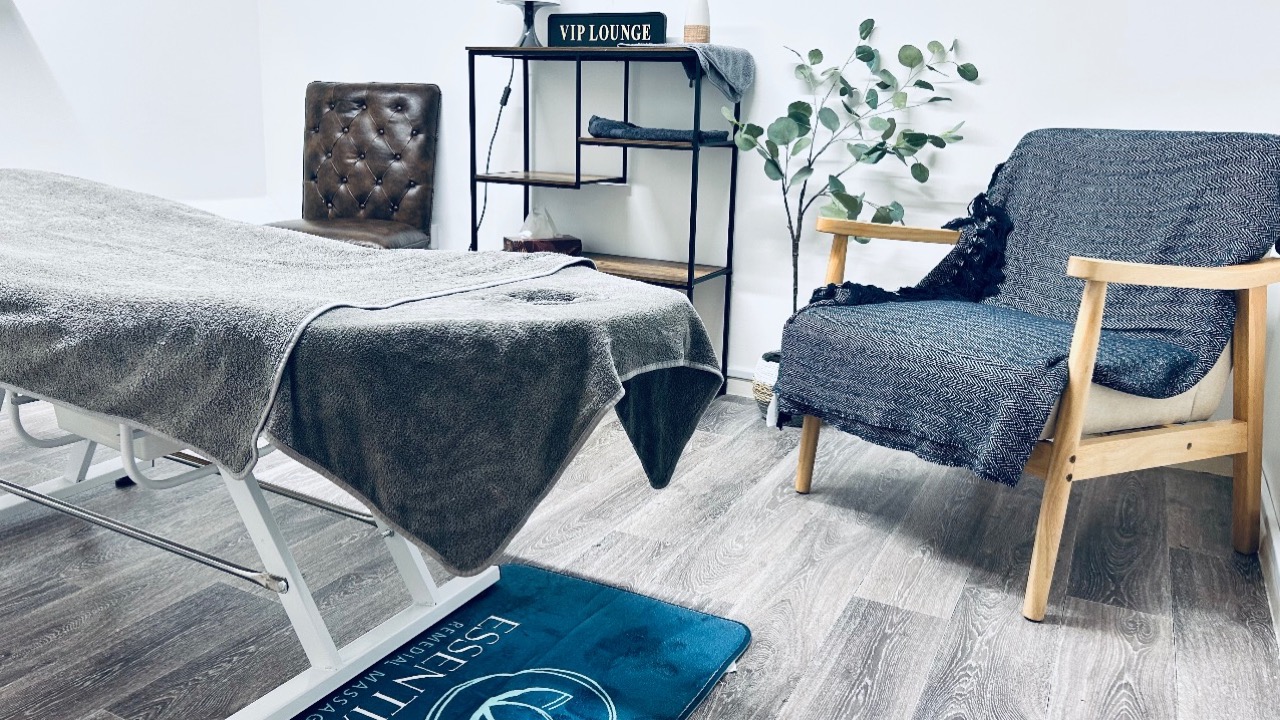
The atmosphere also varies. An independent salon often feels like someone's home, which can be calming for a skin consultation or a facial. A larger business might have a more clinical or corporate feel, with branded towels, background music, and a receptionist handling the admin. Neither is better or worse, but they suit different moods and expectations.
Treatment Options and Specialisation
If you have a very specific concern, an independent specialist may be the better choice. For example, someone who has trained extensively in treating acne scars or rosacea will have invested time in understanding those conditions. They use a smaller range of products because they know exactly what works. A larger beauty business, by contrast, can offer more variety. You might find everything from basic waxing to LED light therapy to chemical peels. The trade-off is that no single therapist may be as deeply experienced in every treatment on the list.
When you need a body massage after a facial, or a skin consultation before a course of treatments, a larger business can coordinate that internally. You book once and the team handles the handover. In an independent salon, the therapist may need to refer you to another local practitioner, which adds an extra step.
Consistency and Reliability
A larger business has systems in place to ensure consistency. If a therapist is off sick, someone else can cover your appointment. The booking platform, the treatment protocols, and the product lines are standardised. You know roughly what to expect each time. An independent salon is more vulnerable to disruption. If the owner is ill or on holiday, the salon may close entirely. That can be frustrating if you need a treatment on a specific date.
On the other hand, the independent therapist has full control over their schedule. If you need a late appointment or a longer session, they can often accommodate it in a way that a larger business with fixed shift patterns cannot. The flexibility cuts both ways.
Hygiene and Safety Standards
Both types of UK beauty salons must follow the same regulations. Hygiene standards in a larger business are usually enforced through written procedures and regular checks by a manager. In an independent salon, the therapist sets their own standards and lives with the consequences. Many independent therapists are meticulous because their reputation is everything. However, there is less external oversight. When you visit a larger business, you can usually see a cleaning schedule, a list of protocols, and a clear process for dealing with complaints.
It is worth asking about hygiene practices regardless of the size of the salon. How are tools sterilised? How often are towels changed? Is the treatment room ventilated? A good therapist, whether independent or part of a chain, will answer these questions without hesitation.
For those researching their options, a resource like Aestheticdirectory can help you compare local salons based on the criteria that matter to you, from the range of treatments to the qualifications of the staff. It lists clinics and beauty salons across the UK, so you can see what is available in your area and make an informed choice.
Pricing and Value
Treatment pricing varies widely. Independent salons sometimes have lower overheads, which can mean lower prices. But they also have less buying power for products, so their costs may be higher per treatment. Larger businesses can negotiate bulk discounts on products and equipment, but they also have higher rent, payroll, and marketing costs. The price you pay does not always reflect the quality of the treatment. A session in a small salon can be just as effective as one in a luxury spa, and sometimes more personal.
What matters more is the value you place on the experience. If you want a quiet, tailored session with the same person every time, the independent salon may feel worth more. If you want convenience, variety, and a polished setting, the larger business may justify its price.
Making Your Choice
There is no one-size-fits-all answer. Think about what you prioritise. If you have a complex skin concern or want a deep therapeutic massage, a specialist independent therapist is often the best bet. If you want to try different treatments, need flexible appointment times, or prefer a more structured environment, a larger beauty business may suit you better.
It can also be worth trying both. Many people maintain a relationship with an independent therapist for certain treatments and visit a larger business for others. The key is to know what you are looking for and to ask questions before you book.
For a practical starting point, Aestheticdirectory lists salons and clinics across the UK, letting you filter by treatment type and location. That can save you time when you are weighing up your local options and deciding which environment feels right for you.
Ultimately, the best salon is the one where you feel comfortable, listened to, and confident in the therapist's skill. Whether that turns out to be a one-person operation or a multi-room business, the quality of the treatment and the trust you build are what keep you coming back.